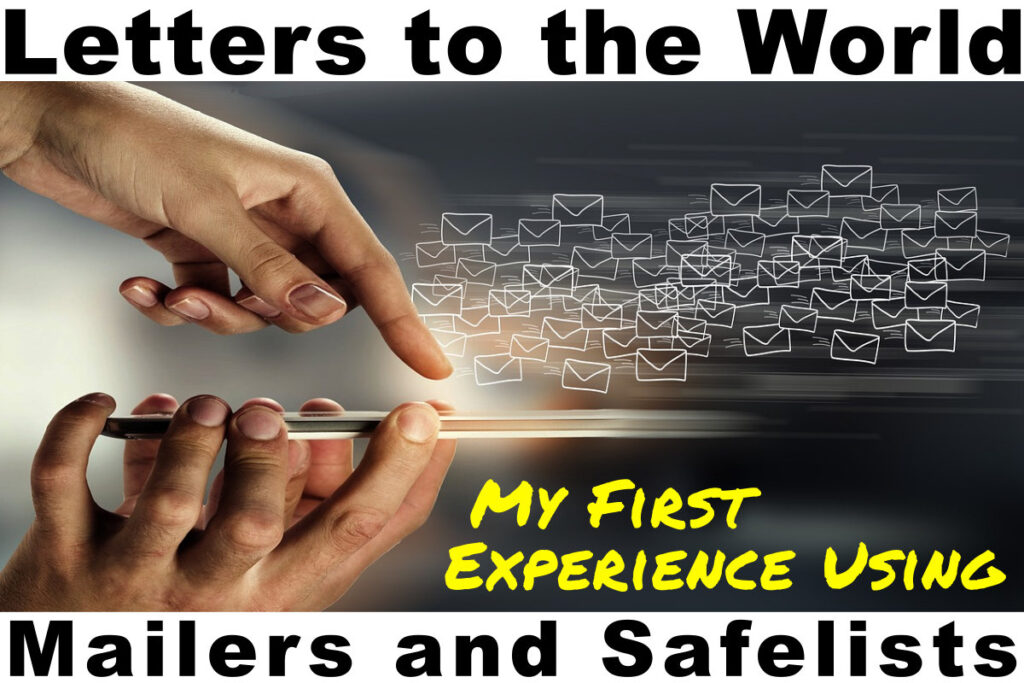
It was a rainy afternoon when I decided to plunge into the world of mailers and safelists. As a marketer eager to expand my reach, I have explored various strategies to increase my audience.
Traditional methods like social media and SEO had yielded some success, but I wanted to try something different, something that could provide a direct line to a broader audience. Enter mailers and safelists, a concept that promised targeted exposure and engagement.
With a mix of excitement and trepidation, I signed up for a few popular mailer services. These platforms, where users agree to receive promotional emails in exchange for the ability to send their own, seemed like a goldmine of opportunity.
My first challenge was creating a compelling email to stand out in crowded inboxes. I spent hours crafting the perfect message, carefully balancing promotional content with genuine value.
Sending out my first batch of emails felt like casting a message in a bottle into a vast ocean. I hit ‘send’ and watched as my carefully constructed words were dispatched to thousands of recipients. The initial response was underwhelming.
There were a handful of clicks and a couple of sign-ups, but nothing close to the wave of traffic I had hoped for. Disheartened but determined, I realized that success with mailers required more than just a well-written email; it required strategy and perseverance.
One of the biggest challenges I faced was the sheer volume of competition. Every day, my target audience was bombarded with dozens of emails, each vying for their attention. To stand out, I had to refine my approach.
I began experimenting with different subject lines, testing which ones garnered the highest open rates. I also learned the importance of personalization. Addressing recipients by name and tailoring content to their interests significantly improved my engagement rates.
The next hurdle was maintaining a consistent schedule. It quickly became apparent that one-off emails were insufficient to build a loyal audience. I needed to send regular updates, each one packed with value, to keep my readers engaged.
This required a delicate balance: Too frequent, and I risked becoming an annoyance; too infrequent, and I risked being forgotten. Finding the sweet spot took time, but gradually, I began to see a steady increase in my open and click-through rates.
Triumph came in the form of small victories. I remember the first time one of my emails went viral within the safelist community. It was a promotion for a free webinar I was hosting, and the response was overwhelming.
Not only did I see a surge in registrations, but the feedback was overwhelmingly positive. This success validated my efforts and proved that mailers and safelists could be incredibly effective with the right message.
Another significant triumph was the relationships I built with my audience. Unlike the fleeting interactions on social media, the email format allowed for deeper connections. Readers would reply to my emails, sharing their thoughts and asking questions.
These invaluable interactions provided insights into my audience’s needs and preferences. It also fostered a sense of community, turning what could have been a cold, impersonal medium into a warm and interactive experience.
However, the journey was not without its pitfalls. One of the most frustrating aspects was dealing with spam filters. Despite my best efforts, many of my emails were in the dreaded spam folder. Overcoming this required a thorough understanding of spam triggers and constant tweaking of my content to ensure deliverability.
Reflecting on my journey, I realized that using mailers and safelists was both an art and a science. It required creativity, strategy, and a willingness to adapt.
The challenges were numerous, from crafting the perfect message to navigating spam filters, but the rewards were equally great. I had managed to reach a wider audience, build meaningful relationships, and drive significant traffic to my offerings.
Today, as I continue to use mailers and safelists, I do so with a deeper understanding and greater confidence. The initial challenges have become stepping stones, each teaching me valuable lessons that have enhanced my marketing skills. The triumphs, no matter how small, serve as reminders of the potential that lies in every email sent.
Here are the pros and cons of using mailers and safelists you may want to consider.
Pros of Mailers and Safelists
1. Direct Audience Reach: Mailers and safelists provide a direct way to reach a large, targeted audience that has already opted in to receive promotional emails.
2. Cost-Effective: Many mailer services are free or low-cost, making them a budget-friendly option for marketers.
3. Builds Relationships: Personalized emails can foster deeper connections with your audience, increasing engagement and loyalty.
4. Immediate Results: Email campaigns can generate quick responses, providing immediate feedback on the effectiveness of your marketing message.
5. Customizable Content: Emails can be easily tailored to specific audiences, increasing the relevance and impact of your message.
6. High Engagement Potential: Well-crafted emails can lead to higher open and click-through rates compared to other forms of online marketing.
7. Community Support: Many mailer platforms have active communities where users can share tips and strategies, providing valuable insights and support.
Cons of Mailers and Safelists
1. High Competition: The volume of emails users receive can be overwhelming, making it difficult for your message to stand out.
2. Spam Filters: Many emails can end up in spam folders, reducing their visibility and effectiveness.
3. Time-Consuming: Creating and managing effective email campaigns requires significant time and effort, especially when crafting personalized content.
4. Variable Quality of Traffic: Not all recipients may be genuinely interested in your content, leading to lower engagement rates.
5. Deliverability Issues: Ensuring emails are delivered to the inbox and not blocked by spam filters is an ongoing challenge.
6. Frequency Management: Finding the right balance in email frequency is crucial to avoid annoying your audience or being forgotten.
7. Risk of Being Perceived as Spam: Overly promotional or frequent emails can lead to negative perceptions and unsubscribes, harming your reputation.